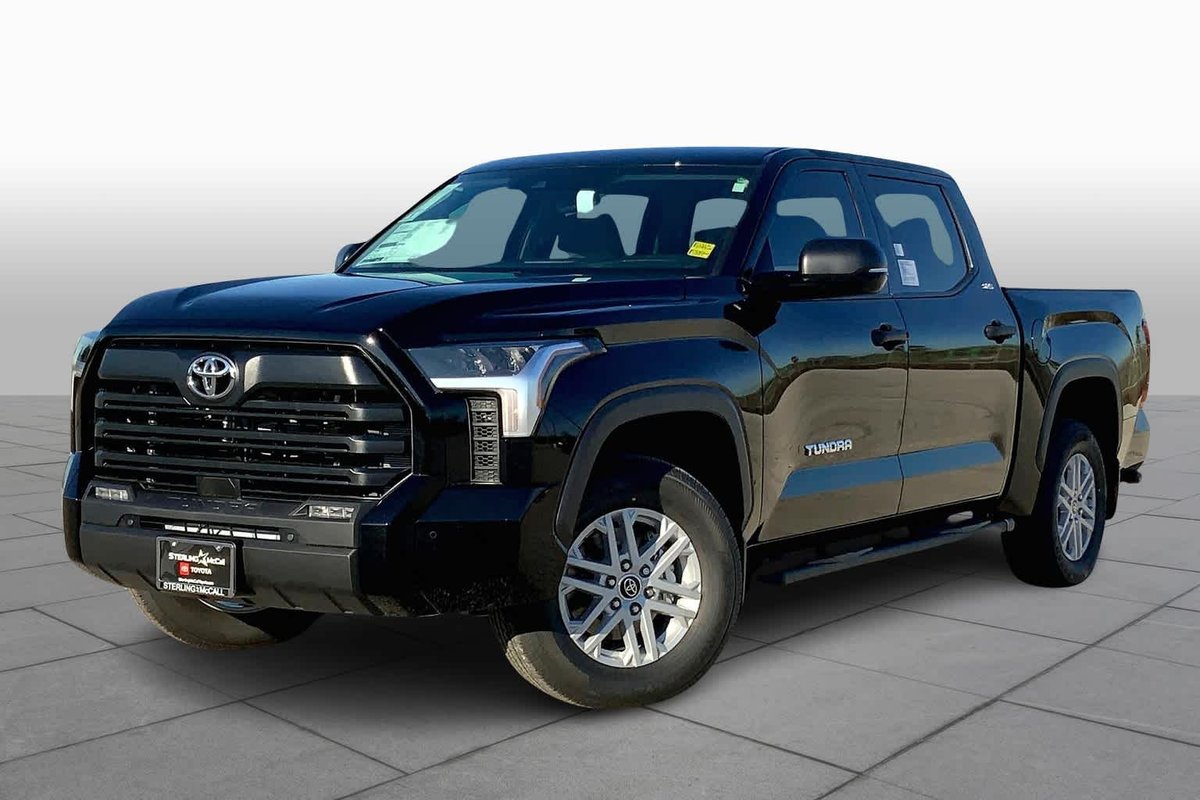
Step into the world of full-size pickups, and you'll quickly discover a vehicle that stands out not just for its brawn, but for its legendary staying power: the Second Generation Toyota Tundra (2007-2021). This wasn't just another truck; it was Toyota's bold statement that it could compete—and win—in America's fiercely loyal truck market. From its beefed-up chassis to its unyielding V8 engines, this generation solidified the Tundra's reputation as a workhorse that simply refuses to quit, often hitting impressive mileage milestones that make rivals blush.
Before we dive deep, here's a quick overview of what makes this generation so compelling:
At a Glance: Why the 2007-2021 Tundra Remains a Top Pick
- Bulletproof Reliability: Known for reaching hundreds of thousands, even a million miles, with proper care.
- Powerful V8 Options: The 5.7-liter i-Force V8 is a true workhorse, offering excellent towing and acceleration.
- Spacious Cabin Options: From the practical Double Cab to the cavernous CrewMax, there’s room for everyone and everything.
- Simple & Robust Design: Less complex electronics compared to newer trucks means fewer potential headaches.
- Strong Resale Value: Demand for these reliable trucks keeps their value high on the used market.
- Tow Monster: Capabilities up to 10,800 pounds (and sometimes more) make it ideal for heavy hauling.
The Evolution of a Legend: What Set the Second-Gen Tundra Apart
When the second-generation Tundra rolled off the assembly line in 2007, it was a significant departure from its predecessor. Toyota didn't just tweak the design; they went back to the drawing board to build a truly American-sized truck, designed in Michigan and built in Texas and Indiana. This commitment resulted in a vehicle that was bigger, stronger, and far more capable than the first generation, ready to challenge the domestic giants head-on.
You had options when it came to configuring your Tundra. Early models featured a Regular Cab (a 2-door work truck, which was eventually discontinued in 2014), the versatile Double Cab (a 4-door with a slightly smaller back seat but still very functional), and the incredibly spacious CrewMax (a true 4-door with limousine-like rear legroom). Bed lengths varied to match, from the utilitarian long bed to shorter, more maneuverable options.
In 2014, the Tundra received a substantial facelift, bringing a more aggressive front grille, redesigned interior, and updated tech features while retaining the core mechanicals that made it so reliable. This refresh kept the Tundra competitive and looking fresh until its eventual redesign in 2022.
Heart of the Beast: Understanding the Engine Lineup
Under the hood, the second-gen Tundra offered a range of robust engines, though a couple proved to be the undisputed stars.
The V6 Option: Solid, But Not the Star
Initially, you could find a 4.0-liter 1GR-FE V-6 engine in some base models. While a perfectly capable engine for lighter duties, it was ultimately discontinued for the 2017 model year. Most Tundra enthusiasts and owners gravitated toward the V8s for their power and towing prowess.
The Mighty V8s: Power, Performance, and Prowess
This generation truly shines with its V8 offerings, all of which are all-aluminum, normally-aspirated, DOHC units known for their durability:
- 4.7-liter 2UZ-FE: An older, proven V8 that carried over from the first generation. It uses multiport fuel injection and is known for its incredible longevity. You'll find this primarily in early second-gen models.
- 4.6-liter 1UR-FE: A more modern, efficient V8 that replaced the 4.7L in later models. It features direct fuel injection and offers a good balance of power and (relatively) better fuel economy.
- 5.7-liter 3UR-FE i-Force V8: This is the crown jewel, and the engine most people associate with the second-gen Tundra. Producing a healthy 381 horsepower at 5,600 RPM and 401 pound-feet of torque at 3,600 RPM, it delivers impressive acceleration (0-60 mph in just 6.3 seconds) and formidable towing capabilities. This engine, too, features direct fuel injection and is renowned for its reliability.
For those seeking even more thrill, a TRD supercharger package was available through dealerships for the 5.7-liter V8, boosting output to a staggering 504 horsepower and 550 pound-feet. This turned the Tundra into a pavement-shredding monster, achieving 0-60 mph in a mind-blowing 4.4 seconds. However, this option was discontinued in 2015, and as we'll discuss later, modifying for long-term reliability should be approached with caution.
Towing & Hauling: More Than Just Bragging Rights
The 5.7-liter V8 Tundra is a serious contender when it comes to towing. Officially rated for up to 10,800 pounds, many owners have reported confidently towing even heavier loads, with some claiming over 13,000 pounds. While current Tundra models have pushed the official capacity to 12,000 pounds, the second-gen remains a formidable hauler. Just remember to always stay within your truck's specified limits and use proper towing equipment.
Now, let's talk about the elephant in the room for any full-size truck: fuel economy. For a 4WD V8 model, you can expect around 14 MPG combined. This is fairly standard for a truck of this size and capability from that era.
The Tundra's Achilles' Heel? Common Issues to Know
Despite its reputation for reliability, no vehicle is entirely without its quirks. The second-gen Tundra has a few common issues that prospective buyers and current owners should be aware of. Knowing these ahead of time can help you make an informed purchase or address problems proactively. For a deeper understanding of what to look out for in any used truck, you might want to check out a thorough inspection checklist for used trucks.
The Ticking Time Bomb: Exhaust Manifold Leaks
- Models Affected: Primarily 2007-2012
- Symptom: A distinct ticking noise, especially noticeable when the engine is cold or under light acceleration. This is often due to a cracked exhaust manifold, a relatively common issue.
- Impact: While generally not a catastrophic failure, it can be annoying and, left unchecked, could potentially lead to exhaust gas leaks that affect engine performance or fuel economy over time.
- Repair Cost: Replacement can range from $1,178-$1,377, while just replacing the gasket might cost $669-$825.
The Vacuum Cleaner Noise: Secondary Air Pump Failure
- Models Affected: 2007-2013
- Symptom: A loud "vacuum cleaner" or jet engine-like noise on cold starts, often accompanied by a check engine light. This system helps reduce emissions during cold starts.
- Impact: Leads to a check engine light, increased fuel consumption, and higher emissions. It won't typically leave you stranded but needs attention.
- Repair Cost: Around $88-$111, often a more manageable fix than the manifold.
Check Engine Light Culprit: Oxygen (O2) Sensor Failure
- Symptom: Your check engine light illuminates, and diagnostic codes point to an O2 sensor issue.
- Impact: Affects fuel efficiency and emissions. A bad O2 sensor can cause your engine to run rich or lean, potentially leading to other problems if ignored.
- Repair Cost: Expect to pay around $380-$416 for replacement.
Driveline Drama: Rear Driveshaft Premature Wear
- Models Affected: Primarily 2007 4WD models
- Symptom: Vibrations and clunking noises, particularly when shifting between gears or accelerating from a stop.
- Impact: Can lead to discomfort and, if severe, potential driveline damage.
- Solution: Inspection and likely replacement or repair of the driveshaft.
Rare but Serious: Camshaft Failure/Lobe Wear
- Models Affected: 2007 models only (less common than others)
- Symptom: Rough idle, loss of power, and potentially engine misfires.
- Impact: A more serious engine issue that requires significant repair.
- Recommendation: If considering a 2007 model, pay extra attention to engine smoothness and any unusual noises. You might find our guide on diagnosing common truck engine noises helpful during your inspection.
Past Potholes: Understanding Recalls
Toyota, like all major manufacturers, has issued numerous service recalls for the second-gen Tundra. These are safety-related corrections made by the manufacturer. While recalls can seem daunting, they indicate a manufacturer's commitment to safety and typically mean the issue has been addressed free of charge. When buying used, always check if any outstanding recalls have been performed.
Some notable recalls for the 2007-2021 Tundra include:
- Throttle Pedal Stuck: Two significant recalls affected millions of vehicles, addressing potential issues with the accelerator pedal getting stuck.
- Missing/Incorrect Tire Load Labels: Several recalls related to incorrect or missing labels for tire load information, a safety concern for proper inflation and capacity.
- Driveshaft May Break (2007 only): A specific recall for 2007 models, reinforcing the need for thorough inspection of early production trucks.
- Seat Heater Wiring Short: Addressing potential electrical shorts in seat heater wiring.
- Master Window Switch Overheat: A widespread recall concerning potential overheating of the driver's side master power window switch.
- Power Steering Gear Oil Leaks: Addressing potential leaks in the power steering system.
- Wheel Lug Nuts Prone to Cracking/Breaking: A smaller but critical recall concerning the integrity of the lug nuts.
This list isn't exhaustive but highlights some of the more common or significant issues that Toyota proactively addressed. Always run a VIN check on any used vehicle to ensure all recall work has been completed.
Future-Proofing Your Tundra: Making It Last a Lifetime
One of the great things about the second-gen Tundra is its potential for extreme longevity. With some proactive care and smart upgrades, you can ensure your Tundra continues to serve you faithfully for many years and hundreds of thousands of miles.
Battling the Rust Monster: Frame Protection
Japanese vehicles, including Toyotas, have sometimes faced criticism for frame rust, especially in regions that use road salt. The Tundra is no exception. This isn't just cosmetic; severe rust can compromise structural integrity.
- Inspect Thoroughly: Before buying, get underneath the truck and scrutinize the frame, welds, and suspension components for excessive rust. Surface rust is common; deep, flaky, or perforated rust is a red flag.
- Apply Anti-Rust Treatment: If you live in a rust-prone area, or just want peace of mind, consider applying a professional anti-rust coating (like fluid film, waxoyl, or similar products) to the frame and undercarriage. This can significantly extend the life of your truck's chassis. For more in-depth advice, see our guide on effective rust prevention strategies for truck frames.
- Address Early: If you find areas of concern, clean and treat them promptly to prevent further spread.
Six-Lug Axle Conversion: For Serious Towing
Uniquely, the second-generation Tundra features five-lug hubs, unlike the six-lug configurations of both the first and third generations. While the five-lug setup is generally strong, if you plan on consistently towing at or near the Tundra's maximum capacity, some owners opt for a six-lug axle conversion. This is an aftermarket modification designed to enhance wheel bearing and stud strength, offering extra peace of mind for heavy-duty applications. It's not strictly necessary for most users but is a valuable consideration for dedicated heavy haulers.
Taming the Squat: Suspension Upgrades
The Tundra's rear suspension, while comfortable, can be a bit soft when loaded heavily or towing substantial trailers. This can lead to excessive rear squat, impacting handling, headlight aim, and overall stability.
- Airbags or Helper Springs: The most common solution is to install aftermarket airbags (like Air Lift or Firestone) or helper springs (such as SumoSprings or Timbren SES). These solutions support the rear load, leveling the truck and greatly improving towing stability.
- Leaf Spring Replacement: For a more comprehensive upgrade, heavy-duty aftermarket leaf springs can provide a more robust and permanent solution for consistent heavy loads. For options and guidance, check out the best aftermarket suspension upgrades for heavy towing.
Resist the Temptation: Engine Modifications
While the 5.7-liter i-Force V8 is a robust engine, and aftermarket supercharger kits exist (recalling the discontinued TRD option), it's generally advised against installing such forced induction systems if your primary goal is long-term, million-mile reliability. These modifications significantly increase stress on internal engine components, transmission, and driveline, potentially shortening their lifespan. The stock 5.7L provides ample power for almost any real-world use case without compromising its renowned durability.
The Golden Rule: Diligent Maintenance
This is arguably the most crucial tip. The Tundra's legendary reliability isn't magic; it's the result of sound engineering combined with consistent, timely maintenance.
- Follow the Schedule: Adhere strictly to Toyota's recommended maintenance schedule for fluid changes (oil, transmission, differential, transfer case), filter replacements, spark plugs, and inspections.
- Use Quality Parts: Don't skimp on oil, filters, or other replacement parts. OEM or high-quality aftermarket parts are a worthwhile investment.
- Address Issues Promptly: Don't ignore check engine lights, unusual noises, or warning signs. Small issues caught early are far less expensive and stressful to fix than major failures resulting from neglect. Understanding how to interpret your vehicle's maintenance schedule can make a big difference.
Beyond the Pavement: Exploring Tundra Generations
The second-generation Tundra is undoubtedly a standout, but it's part of a larger story. Toyota's journey in the full-size truck market has evolved significantly over the years. To see how this generation compares to its predecessors and successors, you might be interested in our dedicated article that allows you to Explore Tundra Generations for a broader perspective on the lineage.
The Bottom Line: Is a Second-Gen Tundra Right for You?
The Second Generation Toyota Tundra (2007-2021) has earned its reputation as a lasting favorite for a reason. It's a no-nonsense, highly capable truck that prioritizes reliability and durability above all else. While it might not boast the latest tech or the most refined interior of modern pickups, its mechanical robustness and straightforward design are precisely what make it so appealing to those seeking a long-term, dependable workhorse or family hauler.
If you're in the market for a used truck that can pull serious weight, swallow miles with ease, and is known for shrugging off the kinds of issues that send other vehicles to the scrapyard, the second-gen Tundra should be at the very top of your list. Just remember to do your due diligence on maintenance records, inspect it thoroughly for common issues and rust, and commit to its ongoing care. With that approach, you'll likely find yourself with a truck that could very well outlast your need for it.