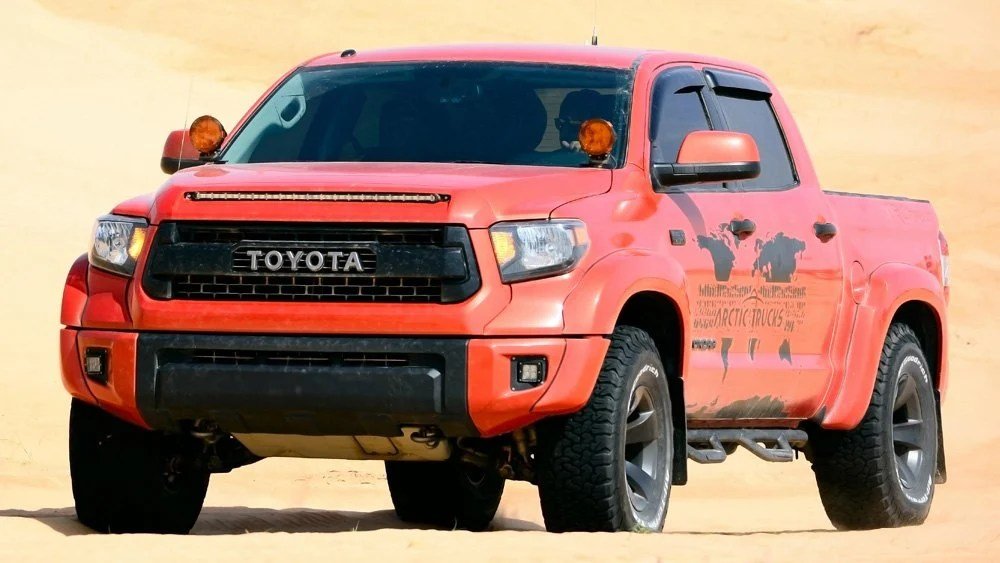
For 25 years, the Toyota Tundra has carved out a formidable reputation as a full-size pickup truck designed to go the distance. But like any complex machine, its journey hasn't been without its quirks. When we talk about Reliability and Common Issues Across Tundra Generations, we're diving into the nuances that define its legacy, examining what makes some models legendary and others a bit more challenging.
From its humble beginnings as a capable workhorse to its modern, technology-laden iterations, the Tundra has consistently aimed for bulletproof dependability. Yet, as each generation introduced new designs, engines, and features, the landscape of its common issues evolved. Understanding these shifts isn't just academic; it's essential for anyone looking to buy, sell, or simply maintain their Tundra for the long haul.
Tundra Reliability: The Quick Takeaway
Considering a Tundra, or just curious about yours? Here's the gist of what we'll cover:
- First-gen Tundras (2000-2006) are often hailed as the most reliable, known for simplicity and astounding longevity, often hitting 300K-500K miles.
- Second-gen Tundras (2007-2021) offered strong overall reliability, though earlier models (2007-2013) had more initial kinks than their exceptionally solid later counterparts (2014-2021).
- Third-gen Tundras (2022-Present) have faced significant early manufacturing issues, particularly with engine recalls, making them the least reliable so far.
- Common culprits across generations include exhaust manifold issues, secondary air pump failures, and rust, especially in colder climates.
- Tundras generally outperform American rivals like the F-150 and Silverado in long-term reliability and lower maintenance costs.
- No Tundra generation is inherently "bad," but informed buyers and diligent maintenance are key to maximizing your truck's life.
Understanding Tundra's Reputation: A Legacy of Durability
The Toyota Tundra isn't just another truck; it's a testament to Toyota's engineering philosophy of overbuilding and under-stressing components. For decades, this approach has translated into vehicles that defy typical lifespans, often becoming family heirlooms or trusted work partners for hundreds of thousands of miles. This reputation for durability and comparatively low maintenance costs sets the Tundra apart in a highly competitive segment. But "reliable" doesn't mean "immune." Every generation has its characteristic issues, born from design choices, material changes, and the relentless march of time and technology.
First Generation Tundra (2000-2006): The Unsung Workhorse
Reliability Profile: If you're talking pure, unadulterated longevity, many enthusiasts and mechanics will point straight to the first-generation Tundra. These trucks, built from 2000 to 2006, are famous for their straightforward design and mechanical simplicity. They're the kind of vehicles that, with basic care, routinely tick past 300,000 miles, with many examples comfortably exceeding half a million. Repair costs tend to be minimal because there's less complex tech to go wrong, and parts are generally affordable.
Common Roadblocks: While robust, age eventually catches up. Here's what often surfaces:
- Failing Ball Joints: A relatively common wear item, especially as the truck racks up miles and tackles rough terrain. It's a critical safety component, so listen for clunking noises over bumps and address it promptly.
- Cracked Exhaust Manifolds: This typically manifests as a ticking sound, particularly when the engine is cold. While not immediately catastrophic, it can be annoying and affect emissions.
- Secondary Air Pump Failure: Predominantly on V8 models, this issue is often indicated by a humming sound and the dreaded check-engine light. It's related to the emissions system and can be an expensive fix if not addressed early.
- Rust/Frame Rot: This is the silent killer for many older trucks, and the first-gen Tundra is no exception. Frames, especially in cold-weather states where road salt is prevalent, are prone to corrosion. Before buying, a thorough inspection of the frame is non-negotiable.
Why Owners Love It: Despite these age-related issues, the first-gen Tundra holds a special place. Its straightforward nature, combined with a comfortable ride and capable performance, makes it an enduring choice for those who value proven reliability over cutting-edge features. Many owners prefer its size and classic styling to the larger, more modern versions.
Second Generation Tundra (2007-2021): Massive Sales, Mixed Early Years, Solid Finish
Reliability Profile: Spanning a remarkable 15 years, the second-generation Tundra represents a huge leap in size, power, and capability. Overall, its reliability is strong, but there's a clear distinction between early models (2007-2013) and later ones (2014-2021). Early models, as is often the case with major redesigns, saw a slight dip in initial reliability as Toyota worked out the kinks. However, the facelifted models from 2014 onward are widely considered exceptionally reliable, often scoring very high marks from consumer organizations.
J.D. Power Snapshot: The 2013 model year received a Quality & Reliability rating of 88/100, indicating strong initial quality.
Key Issues & What to Watch For:
- Secondary Air Pump Failure (Again): This problem persisted, primarily affecting the 3UR-FE 5.7-liter V8 engines. Symptoms include a check-engine light, rough idling, poor emissions, and sometimes a noticeable loss of power. Repair costs can range from $1,000 to $3,000, making it a significant expense.
- Excessive Rust: While not as severe as some first-gen frames, this generation is still susceptible to rust, particularly underneath the bed and on chassis components, especially in rust-belt regions. Regular undercarriage washes and rustproofing can help mitigate this.
- Water Pump and Starter Motor Failure: These components are subject to wear and tear. Owners often report prior warning signs, such as leaks (water pump) or slow cranking (starter), making them somewhat predictable repairs.
- Transmission and Suspension Issues: More commonly reported in the earlier 2007-2013 models, these can range from rough shifting to premature wear of suspension components. A thorough test drive is crucial for used models from this period.
- Infotainment System Issues: As technology advanced, so did the complexity of the infotainment systems. Later models (2014-2021) occasionally saw glitches, freezing screens, or connectivity problems, though these are typically less critical than mechanical failures.
Model Year Nuances: - The 2007 model year received the most overall complaints, typical for a redesign's first year.
- Surprisingly, the 2012 model year was rated worse in some metrics, not due to more complaints, but often because the problems encountered were more severe, costly, or occurred at lower mileage.
- The 2016 and 2017 models are frequently cited as exceptionally reliable, receiving high marks from sources like Consumer Reports.
- 2018-2022 models continued to earn above-average scores, solidifying the second generation's reputation for long-term dependability, even if their initial scores were slightly lower than the 2016/2017 peak.
Third Generation Tundra (2022-Present): New Engine, New Challenges
Reliability Profile: The newest Tundra, launched in 2022, represents a radical departure from its predecessor, featuring a new twin-turbo V6 engine and a host of technological upgrades. However, its early years have been marred by significant manufacturing issues, placing it, for now, at the bottom of the reliability ranking among Tundra generations. It's simply too new to properly assess its long-term reliability, but initial hurdles have been substantial.
J.D. Power Snapshot: The 2024 model year received an initial Quality & Reliability rating of 82/100, which is still above average for the segment but notably lower than the previous generation's peak.
The Engine Recall: V35A Machining Debris: This is the core issue defining the third generation's early reliability. Toyota issued a recall for approximately 102,092 (2022-2023) Tundra and Lexus LX600 vehicles. The problem: machining debris left inside the V35A twin-turbo V6 engines during manufacturing. This debris could lead to main bearing failure and, in severe cases, engine stall. This is a critical issue requiring engine replacement, which Toyota performs free of charge. It's important to note that hybrid models and the 2024/2025 model years are not affected by this specific engine recall.
Other Emerging Concerns:
- Chafing Fuel Tube: A potential issue that could lead to a fuel leak, posing a safety risk. This, too, has been subject to recall.
- Interior Rattling: While less severe than an engine recall, early models have reported more instances of interior fit-and-finish issues, leading to various rattles and squeaks.
Impact: The sheer volume and severity of the V35A engine recall have made the third-generation Tundra the most recalled Toyota from the last decade. While Toyota is actively addressing these issues under warranty, it certainly impacts the generation's initial reliability standing and consumer confidence.
Across Generations: Persistent Tundra Quirks
While each generation has its unique challenges, some common themes emerge when looking at the Tundra's reliability over its 25-year history:
- Poor Fuel Economy: This is almost a rite of passage for full-size truck owners, and the Tundra is no exception. Its powerful V8 engines, while legendary for their grunt, typically yield around 15 miles per gallon in combined driving. The new twin-turbo V6 aims to improve this, but it's still a large, heavy truck.
- Exhaust Manifold and Air Injection Pump Issues: As seen, these problems have plagued both the first and second generations, often leading to check-engine lights and costly repairs. It's a known weak point in their emissions systems.
- Powertrain Issues: While generally robust, some owners have reported rough shifting or slipping transmissions, particularly as mileage climbs or if maintenance schedules aren't strictly adhered to. This can often be mitigated with regular transmission fluid changes.
- Fuel Pump Problems: Less common than other issues but still reported, a failing fuel pump can cause stalling or difficulty starting.
- Rear Suspension Issues: Owners occasionally report noisy rear suspension components or premature failure, particularly under heavy loads or after extensive off-road use. Keeping an eye on leaf springs, shackles, and shocks is good practice.
Tundra vs. The Competition: A Head-to-Head on Longevity
The Toyota Tundra consistently holds its own, and often outperforms, its direct American competitors like the Chevy Silverado and Ford F-150 in terms of long-term reliability and lower maintenance costs. Sources like Consumer Reports and RepairPal frequently give the Tundra high predicted reliability ratings. While American trucks often lead in sales volume and specific features, the Tundra's reputation for simply running, day in and day out, for hundreds of thousands of miles, is a significant differentiator. It means less time in the shop for unexpected repairs and more time on the road or at the job site. This is a crucial factor for many truck buyers, solidifying the Tundra's place as a top contender for those prioritizing dependable long-term ownership.
Making Your Tundra Last: Actionable Insights for Owners & Buyers
Understanding the common issues across Tundra generations isn't about scaring you away; it's about empowering you to make informed decisions. The truth is, no specific Tundra generation should be entirely avoided, as all have the potential to be incredibly dependable workhorses or family vehicles. It's about how you approach ownership or a purchase.
No "Bad" Generation, Just Informed Choices
Whether you're drawn to the classic simplicity of a first-gen, the powerful versatility of a second-gen, or the modern capabilities of a third-gen, each has its merits. The key is going in with your eyes open, knowing what to look for, and understanding the potential pitfalls unique to that model year. This knowledge transforms potential headaches into manageable maintenance considerations.
Buying a Used Tundra: What to Prioritize
When you're shopping for a pre-owned Tundra, especially a first or second generation, thoroughness pays off:
- Pre-Purchase Inspection (PPI): This is non-negotiable. Have a trusted mechanic (preferably one familiar with Toyotas) inspect the vehicle. They can spot frame rust, exhaust manifold cracks, or air pump issues that might be hiding.
- Service Records: Ask for detailed maintenance history. A well-maintained truck, regardless of generation, is always a better bet.
- Check for Recalls: Especially crucial for 2022-2023 third-gen models. Ensure all open recalls (like the engine machining debris issue) have been addressed by a Toyota dealer.
- Test Drive: Listen for unusual noises (ticking, humming, clunking), feel for rough shifts, and check all infotainment functions.
The Maintenance Advantage: A Practical Guide
The biggest secret to Tundra longevity isn't a secret at all: diligent maintenance. These trucks are built tough, but they're not invincible.
- Follow Manufacturer's Schedule: This is your bible. Adhere strictly to recommended oil changes, fluid flushes, tire rotations, and filter replacements. Using OEM (original equipment manufacturer) parts where critical often ensures better fit and longevity.
- Address Issues Promptly: Don't ignore a check-engine light or an odd noise. Small problems can quickly escalate into expensive repairs if left unaddressed. Early diagnosis saves money and extends vehicle life.
- Practice Mindful Driving Habits: Avoid harsh braking and acceleration. Don't consistently tow or haul excessive loads beyond the truck's capacity. These habits reduce stress on the engine, transmission, brakes, and suspension, directly contributing to long-term reliability and minimizing wear and tear.
Understanding the Cost of Ownership
While Tundras are known for lower repair costs compared to some rivals, remember that maintenance is an ongoing investment. Factoring in regular service, potential fixes for known issues (like a secondary air pump), and the ever-present poor fuel economy, helps paint a realistic picture of what it truly costs to own one of these magnificent trucks. Investing in preventive maintenance will almost always be cheaper than reactive repairs.
Frequently Asked Questions About Tundra Reliability
We often hear similar questions about the Tundra's dependability. Here are some quick answers to common inquiries:
Which Tundra year is the most reliable?
Based on historical data and owner reports, the first-generation Tundra (2000-2006) is generally considered the most reliable due to its simplicity and incredible durability. Among the second generation, the 2016 and 2017 models stand out for their exceptional reliability ratings.
Are older Tundras better than new ones?
"Better" is subjective. Older Tundras (first and second gen, particularly 2014-2021) are proven workhorses with fewer complex systems, often leading to lower long-term repair costs. New Tundras (third gen) offer superior power, technology, safety features, and comfort, but have faced significant early reliability challenges, primarily with engine recalls. For sheer proven longevity and simplicity, many would argue older Tundras have the edge right now.
How many miles can a Tundra last?
With proper maintenance, Tundras are renowned for lasting a very long time. It's common to see 300,000 to 500,000 miles on first and second-generation models. The ultimate lifespan often depends more on diligent maintenance and driving conditions than on inherent design flaws.
Is Tundra maintenance expensive?
Compared to many other full-size trucks, Tundra maintenance costs are generally lower. While specific repairs (like a secondary air pump) can be costly, routine maintenance and common wear-and-tear parts are typically affordable. Their strong reputation for reliability means fewer unexpected and expensive breakdowns compared to some competitors.
Your Tundra Journey: A Path to Lasting Value
The Toyota Tundra, across its three distinct generations, embodies a powerful blend of capability and reliability. While the latest models have faced some bumps in the road, the Tundra's legacy of durability remains firmly intact. By understanding the specific reliability profiles and common issues of each generation, you can navigate your ownership or buying journey with confidence. Whether you're chasing the simplicity of a first-gen legend, the proven versatility of a second-gen stalwart, or the cutting-edge power of the new era, a well-chosen and well-maintained Tundra is an investment in lasting value and performance. Dive deeper into the specifics of each model year and what makes them tick by checking out our comprehensive guide to Explore Tundra Generations. Your truck is an extension of your life and work; choose wisely, maintain diligently, and enjoy the ride.