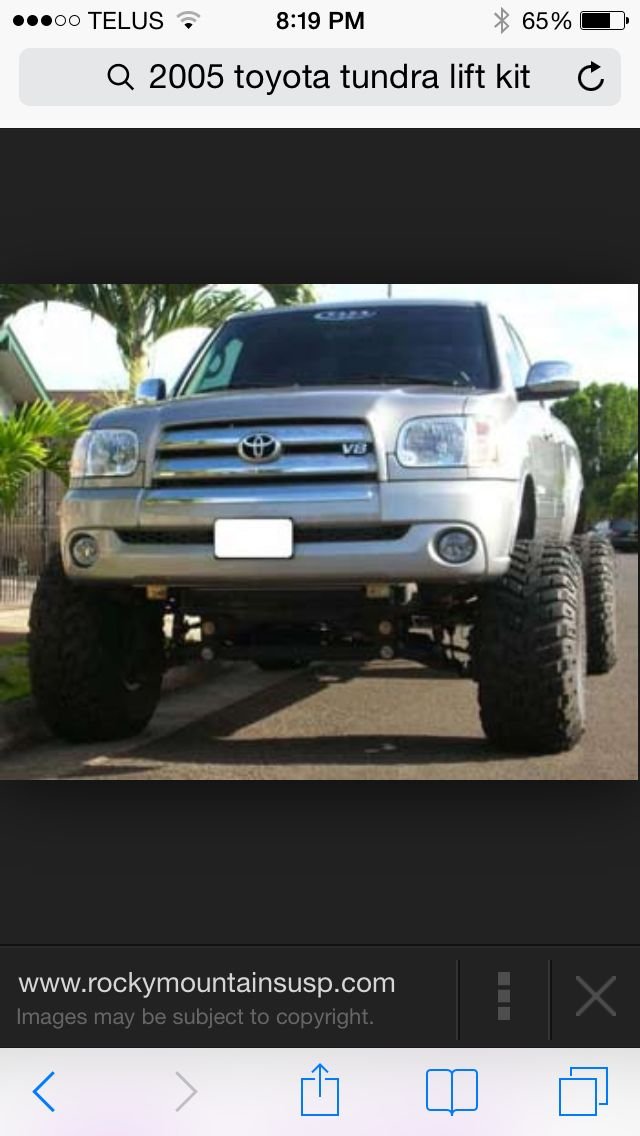
When Toyota unveiled the Tundra in May 1999 as a 2000 model, it wasn't just another pickup; it was a watershed moment. This wasn't merely an evolution of their compact trucks; it was Toyota’s audacious leap into the fiercely competitive American full-size truck market, and it proudly carried the banner as the first full-size pickup from a Japanese manufacturer to be built right here in North America. Forget the cautious steps – the First Generation Toyota Tundra (1999-2006) arrived with a roaring V8 and a clear mission: to prove that Toyota could build a truck as capable and beloved as any domestic stalwart.
At a Glance: The First Generation Tundra (1999-2006)
- Debut: Publicly introduced in May 1999 for the 2000 model year.
- Significance: Toyota's first full-size pickup; first from a Japanese manufacturer built in North America.
- Engine Highlights: Pioneered Toyota's first V8 in a pickup (the 4.7L "i-Force"), alongside reliable V6 options.
- Configurations: Available as Regular Cab, Access Cab (extended cab with rear-hinged doors), and later a larger Double Cab (crew cab) for the 2004 model year.
- Manufacturing: Initially built in Princeton, Indiana.
- Towing Prowess (V8): Capable of towing up to 7,100 lbs.
- Safety Leader: The first full-size pickup to earn a "Good" rating in the IIHS frontal offset crash test.
- Legacy: Laid the groundwork for Toyota's enduring presence and success in the full-size truck segment.
The Genesis of a Giant: How Toyota Entered the Full-Size Fray
Before the Tundra, Toyota’s largest truck offering was the T100, a capable but somewhat undersized contender in a market dominated by American giants. Toyota knew it needed something more substantial, something that could truly go toe-to-toe with the F-Series, Silverado, and Ram.
Enter the Tundra. Initially, prototypes were code-named T150, but a swift course correction followed due to criticism and a lawsuit from Ford, citing too much similarity to their iconic F-150. The name "Tundra" emerged, evoking ruggedness and vast capability – a perfect fit for a truck designed for North American landscapes and demands. Its introduction wasn't just significant for Toyota; it represented a bold statement for all import brands. Production began in Princeton, Indiana, signaling a deep commitment to the market it aimed to conquer. The Tundra swiftly set a new benchmark for Toyota, achieving the company's highest initial vehicle sales in its history and doubling the T100's sales volume almost immediately. This wasn't just a new truck; it was a cultural shift, proving that the competitive full-size truck market was ready for serious Japanese innovation.
Under the Hood: Powering the First-Gen Tundra
One of the most exciting aspects of the first-generation Tundra was what lurked beneath its hood. Toyota understood that to compete, it needed power, and crucially, it needed a V8.
The i-Force V8: A Game Changer
The headline-grabbing engine was the optional 4.7L V8 (dubbed the 2UZ-FE "i-Force"). This wasn't just a V8; it was Toyota's first-ever V8 offered in a pickup truck. It debuted with a respectable 245 hp and 315 lb⋅ft of torque, instantly giving the Tundra the muscle needed to compete in the full-size arena.
For the 2005–2006 model years, this V8 received a significant upgrade: Variable Valve Timing with intelligence (VVT-i). This not only boosted efficiency but also bumped output to 282 hp and 325 lb⋅ft for 2005. A slight recalculation in 2006, due to evolving industry testing standards rather than mechanical changes, saw it rated at 271 hp and 313 lb⋅ft. Regardless of the number on paper, this V8 was a powerhouse, known for its smooth operation and incredible longevity. If you're looking at a first-gen Tundra today, a VVT-i equipped 4.7L V8 from '05 or '06 is a highly desirable find, offering an excellent balance of power and maintaining a V8 engine for long-term ownership.
V6 Options and TRD Boost
While the V8 got all the glory, the Tundra didn't forget its roots, offering solid V6 options:
- Original 3.4L V6 (5VZ-FE): Available until 2004, this engine provided 190 hp and 220 lb⋅ft. It was a reliable workhorse, carried over from previous Toyota truck lines.
- New 4.0L V6 (1GR-FE): Introduced in 2005, this all-aluminum block V6 significantly upped the game, delivering 236 hp and 266 lb⋅ft. This was a thoroughly modern engine for its time, offering a great blend of power and efficiency for those not needing the full V8 grunt.
For those craving even more grunt, Toyota Racing Development (TRD) offered supercharger kits. Imagine adding a TRD supercharger to the 3.4L V6 (available 2000–2003) to hit 260 hp and 260 lb⋅ft, or bolting one onto the 4.7L V8 (2000–2003) for mid-300s horsepower and a staggering 400 lb⋅ft of torque. These were factory-backed performance upgrades, turning an already capable truck into a serious street and trail monster. The V8 supercharger was discontinued after the 2003 model year, coinciding with the VVT-i update that changed the engine's internal dynamics.
Shifting Gears: Transmissions
The first-gen Tundra offered a range of transmissions to match its diverse engine lineup:
- Manual Transmissions: The original 5-speed manual (paired with the 3.4L V6) was later replaced by an optional 6-speed manual for the 4.0L V6.
- Automatic Transmissions: The earlier 4-speed automatic eventually gave way to a smoother, more efficient 5-speed automatic. Notably, V8 models were exclusively paired with automatic transmissions from the factory – no manual option for the V8.
Towing Tough: What it Could Haul
With its robust frame and powerful engine options, especially the V8, the first-gen Tundra was built for more than just looking good. It was engineered to work.
Depending on the configuration, the V8 Tundra boasted impressive towing capacities:
- Double Cab: Up to 6,900 lb.
- Access Cab/Regular Cab: Up to 7,100 lb.
These figures allowed it to confidently pull recreational trailers, boats, and work equipment, making it a truly versatile vehicle for families and contractors alike.
Shapes and Sizes: Configurations for Every Need
Toyota understood that one size doesn't fit all in the truck market. The first-gen Tundra offered a selection of body styles to cater to different needs, from a basic work truck to a family-friendly hauler.
Regular Cab: The Workhorse Foundation
The Regular Cab was the no-nonsense choice, offering two doors and a practical bed for maximum utility. It was the quintessential work truck, built for durability and straightforward hauling tasks.
Access Cab: The Flexible Choice
The Access Cab quickly became a popular choice, offering extended cab convenience. Its defining feature was the set of rear-hinged (or "suicide") doors, providing easier access to the rear jump seats or cargo space behind the front seats. This configuration struck a great balance between a daily driver and a vehicle that could occasionally carry extra passengers or secure gear inside the cabin.
Double Cab: Stepping Up to Crew-Cab Comfort
A significant addition arrived late in 2003 for the 2004 model year: the Double Cab. This was Toyota’s answer to the booming crew cab market, featuring four conventional, rear-opening doors and a much more spacious rear seat, effectively transforming the Tundra into a genuine family vehicle or a comfortable ride for a work crew.
The Double Cab wasn't just an Access Cab with more doors; it was a substantial expansion:
- Length: A full 13 inches longer than the Regular and Access Cab versions.
- Height: 3 inches taller.
- Width: 4 inches wider.
- Wheelbase: Stretched by 12 inches for improved ride and stability.
This larger footprint meant a significantly roomier interior, especially in the back. The Double Cab was exclusively paired with the V8 engine, underlining its role as the premium, high-capacity variant. Impressively, its bed was nearly 5 inches longer than comparable offerings from competitors like the Nissan Titan or Ford F-150 at the time, demonstrating Toyota’s attention to practical utility.
Whether you needed a basic work truck, a versatile extended cab, or a spacious crew cab, the first-gen Tundra had a configuration to match your lifestyle. When buying a used truck, considering the cab style is crucial to match your everyday needs.
Beyond the Basics: Special Editions
Toyota also offered a couple of distinct special editions for the first-generation Tundra, adding a touch of exclusivity and unique features for collectors and enthusiasts.
T3 Special Edition (2003)
In 2003, Toyota released the T3 Special Edition. This limited run included the TRD performance package, distinctive "T3" badging, a blacked-out grille and trim, special 17-inch wheels, and unique T3 interior trim. Only 650 units were sold in the US (all 4x2), with another 200 making their way to Canada (all 4x4). These are rare finds today and highly sought after by collectors.
Darrell Waltrip Edition (2006)
For its final year, the 2006 model year saw the introduction of the Darrell Waltrip Edition. Limited to 2,000 V8-powered Double Cab models, this edition celebrated the NASCAR legend. It featured special badging and unique 18-inch wheels, giving it a distinctive appearance.
Safety First: Protecting Your Precious Cargo
Safety was a significant focus for the first-generation Tundra, and it quickly established itself as a leader in its segment. It earned an impressive "Good" overall rating in the IIHS frontal offset crash test, a groundbreaking achievement as it became the first full-size pickup to achieve this top-tier score. This demonstrated Toyota's commitment to passenger protection, setting a new standard for the industry. The evolution of truck safety features owes a lot to trailblazers like this.
Standard safety features included a comprehensive suite for its time:
- Dual front airbags
- Front row side torso airbags
- Rollover sensing side curtain airbags
- Vehicle Stability Control (VSC)
- Traction control (TRAC)
- Anti-lock brakes (ABS)
- Brake assist
- Electronic brakeforce distribution (EBD)
This robust package of passive and active safety systems provided drivers and passengers with a high level of confidence, further cementing the Tundra's reputation for reliability and occupant protection.
Common Pitfalls: Recalls and Things to Watch For
While the first-generation Tundra is widely praised for its Toyota's legendary reliability, no vehicle is entirely without its issues. For prospective buyers, being aware of known recalls and common trouble spots is crucial for making an informed decision.
Two primary recalls specifically affected the first-gen Tundra:
- Rear Crossmember Rust (2000-2003 Models): In late 2009, Toyota issued a recall for approximately 110,000 Tundras from the 2000-2003 model years due to severe rust on the rear crossmember. This issue was significant enough that it could compromise the structural integrity of the frame, particularly affecting the spare tire carrier and potentially leading to serious safety concerns. This recall eventually expanded nationally, with Toyota offering extensive frame inspections and, in many cases, complete frame replacements, a testament to their commitment to customer safety.
- Faulty Ball Joints (2004-2006 Models): In January 2012, another recall was issued for 533,000 trucks and SUVs, including 2004–2006 Tundras, concerning faulty lower ball joints. This defect could lead to premature wear and potential separation of the ball joint, resulting in steering problems and loss of control.
If you're considering a first-gen Tundra, it's highly recommended to:
- Check the VIN: Run the Vehicle Identification Number through Toyota's recall lookup tool to see if any outstanding recall work needs to be performed or if it has already been addressed.
- Thorough Frame Inspection: Pay close attention to the frame, especially the rear crossmember, for any signs of excessive rust, particularly on models from 2000-2003. A pre-purchase inspection by a trusted mechanic should include a detailed examination of the frame and suspension components, including ball joints, for all model years.
These issues, while serious, were addressed by Toyota, and many first-gen Tundras on the road today have either had the necessary repairs or exhibit excellent condition due to diligent maintenance. Knowing these potential issues empowers you to ask the right questions and ensure you're getting a well-maintained vehicle.
The Enduring Appeal of the Original Tundra
The first-generation Tundra was more than just a truck; it was a statement. It proved that Toyota could build a full-size pickup that met the rigorous demands of the North American market, blending Japanese engineering precision with American truck ruggedness. Its success paved the way for future generations and solidified Toyota's position as a serious contender in the pickup truck segment.
While subsequent generations grew larger and more powerful, the original Tundra holds a special place. It’s often lauded for its manageable size, straightforward design, and exceptional reliability – particularly the venerable 4.7L i-Force V8. Many enthusiasts prefer its slightly smaller footprint and traditional truck feel over the behemoths of today.
This foundational vehicle was a critical step in Toyota's journey to dominating various automotive segments. To see how the Tundra evolved over the years, you can explore Tundra Generations and witness its growth from a strong debut to a dominant force.
Is a First-Gen Tundra Right for You? Making an Informed Decision
Deciding if a first-generation Toyota Tundra is the right truck for you in today's market involves weighing its strengths against its age. These trucks are now classics, known for their incredible durability and relatively simple mechanics, making them attractive to buyers looking for a dependable and affordable full-size pickup.
Consider a First-Gen Tundra if you value:
- Legendary Reliability: These trucks are famous for running hundreds of thousands of miles with proper maintenance. The 4.7L V8, in particular, is a workhorse.
- Manageable Size: Compared to modern full-size trucks, the first-gen Tundra offers a more compact footprint, making it easier to maneuver in city driving or tight parking spots.
- Strong Value: You can often find well-maintained examples at a significantly lower price point than newer trucks, offering a lot of utility for your dollar.
- Simplicity and Repairability: Without many of the complex electronic systems found in newer vehicles, these trucks are often easier and less expensive to diagnose and repair if issues arise.
- Capable Towing: While not matching modern trucks, its 7,100 lb towing capacity is ample for many recreational and light-duty hauling needs.
Things to scrutinize before buying: - Rust: As highlighted by the recalls, thoroughly inspect the frame for rust, especially on earlier models. This is a non-negotiable inspection point.
- Ball Joints: Check for any signs of wear or play in the lower ball joints, particularly on 2004-2006 models.
- Maintenance History: Look for comprehensive service records. A well-maintained older truck will serve you far better than one with a spotty history.
- Fuel Economy: These are older V8s and V6s; don't expect hybrid-like fuel efficiency.
The first-gen Tundra represents a pivotal moment for Toyota and a fantastic option for anyone seeking a robust, reliable, and capable truck that has proven its mettle over decades. It's a testament to quality engineering and a reminder that sometimes, the originals are truly timeless.